

Wii U Repair: Complete Guide to Fixing Console Issues
The Nintendo Wii U, released in 2012, represented a bold experiment in gaming that combined traditional console gaming with innovative tablet-like controls. Despite its short commercial lifespan, the Wii U developed a dedicated following among collectors and gaming enthusiasts who appreciate its unique library of exclusive titles. However, as these consoles age beyond a decade, owners increasingly face hardware failures requiring professional intervention. Understanding the most common Wii U repair needs and available solutions helps owners make informed decisions about preserving their gaming investment.
Understanding Common Wii U Hardware Failures
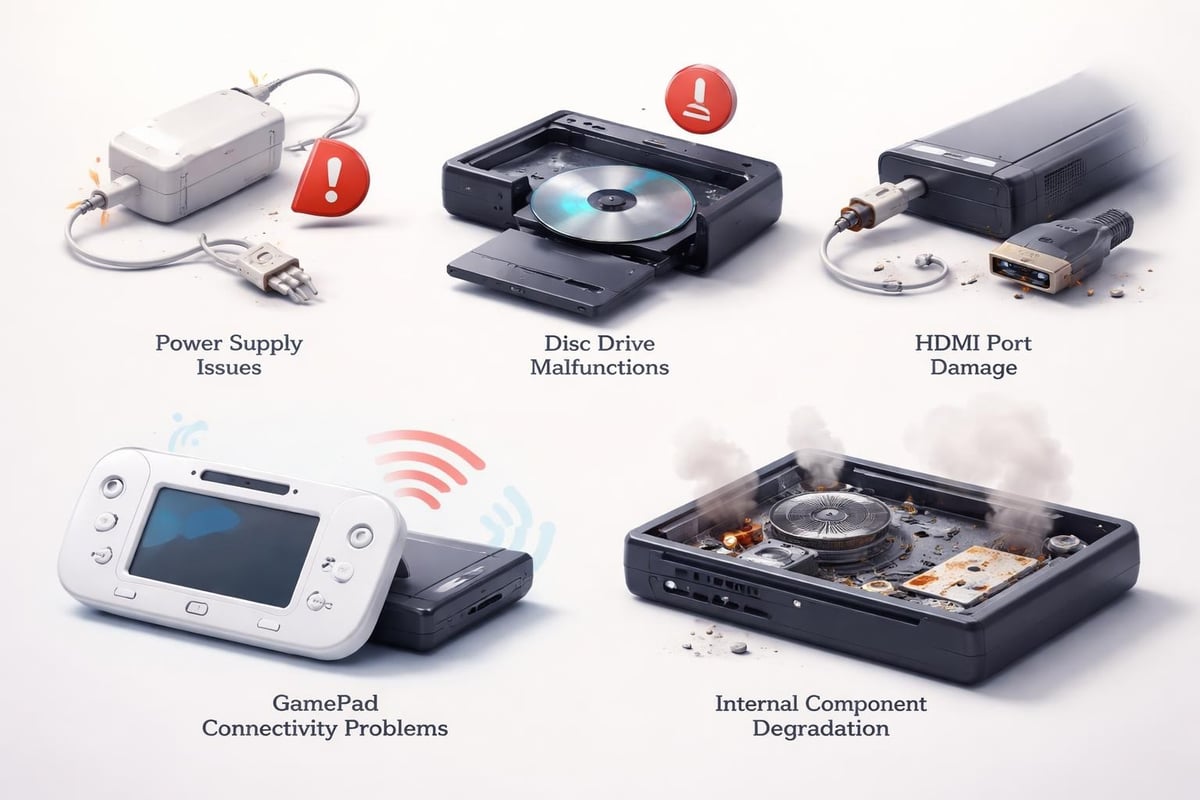
The Wii U console experiences several recurring hardware issues that typically emerge after years of regular use. Power supply failures represent one of the most frequent problems, often manifesting as complete inability to power on or unexpected shutdowns during gameplay. The AC adapter itself can fail, but internal power regulation components within the console also deteriorate over time, particularly in systems exposed to heat or humidity.
Disc Drive Malfunctions
Disc drive problems affect many aging Wii U consoles, preventing games from loading properly or ejecting discs. The optical drive mechanism contains moving parts that wear down through repeated use, including the laser assembly, drive motor, and ejection mechanism. Some systems develop the frustrating issue of accepting discs but failing to read them, while others refuse to accept or eject physical media altogether.
According to iFixit's comprehensive troubleshooting guide, disc ejection failures often stem from mechanical obstructions or worn drive belts. The laser lens can accumulate dust and debris that interferes with reading game data, though attempting to clean this component requires careful disassembly to avoid causing additional damage.
GamePad Connectivity and Screen Issues
The GamePad controller represents the Wii U's signature innovation but also introduces unique repair challenges. Connection drops between the console and GamePad frustrate owners, often caused by wireless interference, damaged antenna components, or deteriorating internal connections. Screen problems range from dead pixels and discoloration to complete display failure, with digitizer issues preventing touch input recognition.
Battery degradation affects virtually all original GamePad batteries after years of charging cycles. These lithium-ion batteries lose capacity over time, reducing playtime from the original 3-5 hours to barely an hour or less. Replacement requires opening the GamePad housing and disconnecting several ribbon cables, a delicate process that risks damaging other components without proper technique.
Diagnostic Techniques for Wii U Problems
Professional wii u repair begins with systematic diagnosis to identify the root cause rather than symptoms. Visual inspection reveals obvious damage like broken ports, cracked housing, or burn marks near power components. However, many failures require testing with specialized equipment to pinpoint failed chips, capacitors, or connection points on the main logic board.
Power System Testing
Power-related issues demand careful voltage testing at multiple points in the electrical pathway. Technicians verify the AC adapter outputs the correct voltage (15V DC at 5.0A for the standard adapter), then trace power distribution through the console's internal regulation circuits. Component-level diagnosis identifies failed capacitors, damaged voltage regulators, or short circuits that prevent proper power delivery to the system's processors and memory.
| Diagnostic Step | Tools Required | Common Findings |
|---|---|---|
| AC Adapter Test | Multimeter | Voltage dropout, incorrect amperage |
| Internal Power Rails | Multimeter, Oscilloscope | Failed capacitors, voltage regulator damage |
| Component Testing | Thermal Camera | Overheating chips, short circuits |
| Signal Tracing | Logic Analyzer | Data corruption, timing issues |
HDMI Port Examination
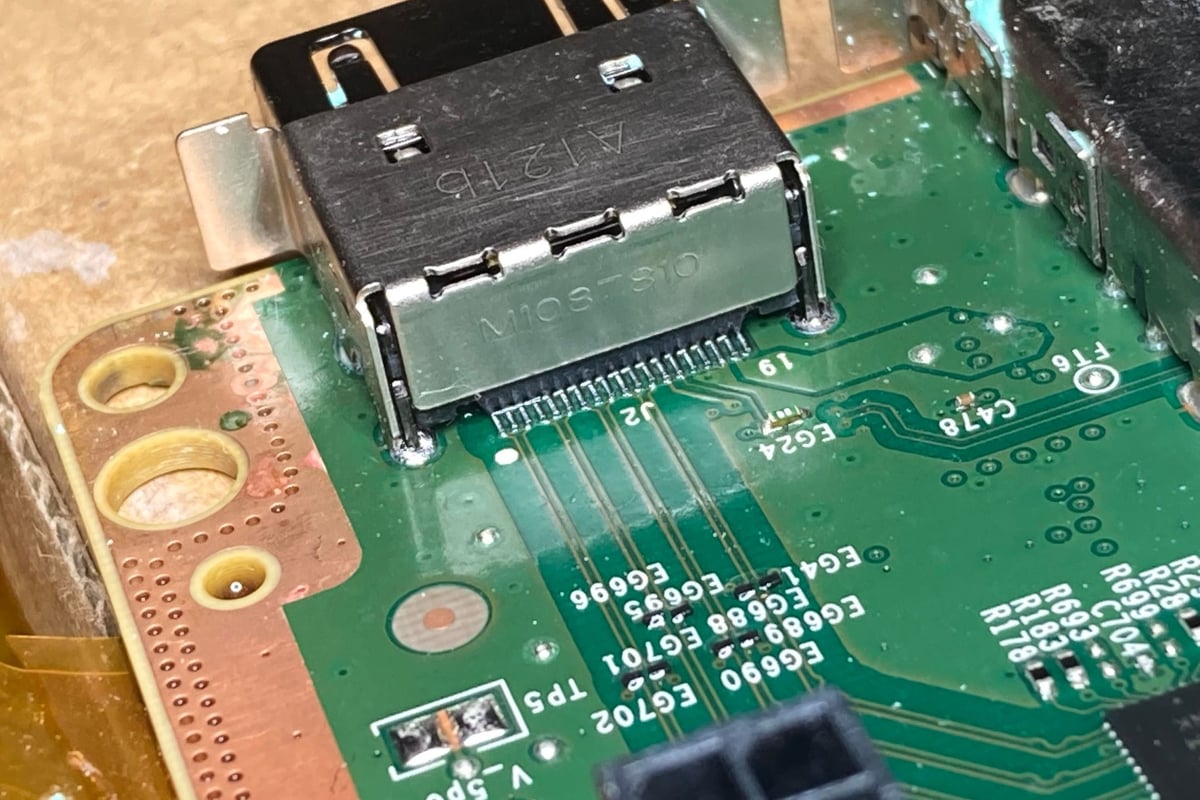
HDMI port damage represents a particularly common failure mode in Wii U consoles. The port's physical design makes it vulnerable to stress from cable insertion and removal, especially when users apply force at incorrect angles. Broken solder joints disconnect the port from the motherboard, while damaged pins within the connector prevent proper signal transmission.
Similar to repairs performed on other gaming systems, wii u repair for HDMI issues requires precision soldering techniques and often complete port replacement. Video Game 911 has extensive experience with HDMI port repairs across multiple console generations, applying techniques refined through thousands of successful repairs to restore video output functionality.
Software Troubleshooting and System Recovery
Not all Wii U problems stem from hardware failures. Software corruption, incomplete updates, and configuration errors can mimic hardware issues, making proper diagnosis essential before pursuing physical repairs. Nintendo's official support resources provide troubleshooting steps for common system errors, including frozen screens, update failures, and network connectivity problems.
System Update Issues
Failed system updates create serious problems for Wii U owners, sometimes rendering consoles unable to boot properly. These "soft brick" situations occur when power interruptions or network failures corrupt the update process, leaving the system in an unstable state. Recovery typically involves forcing the console into maintenance mode and reinstalling system firmware, though advanced techniques exist for severely bricked units.
The discovery of boot exploits in 2024 provided new hope for owners of previously unrecoverable consoles. These advanced recovery methods require technical expertise but demonstrate that even seemingly dead systems may be salvageable with proper knowledge and tools.
Data Preservation During Repairs
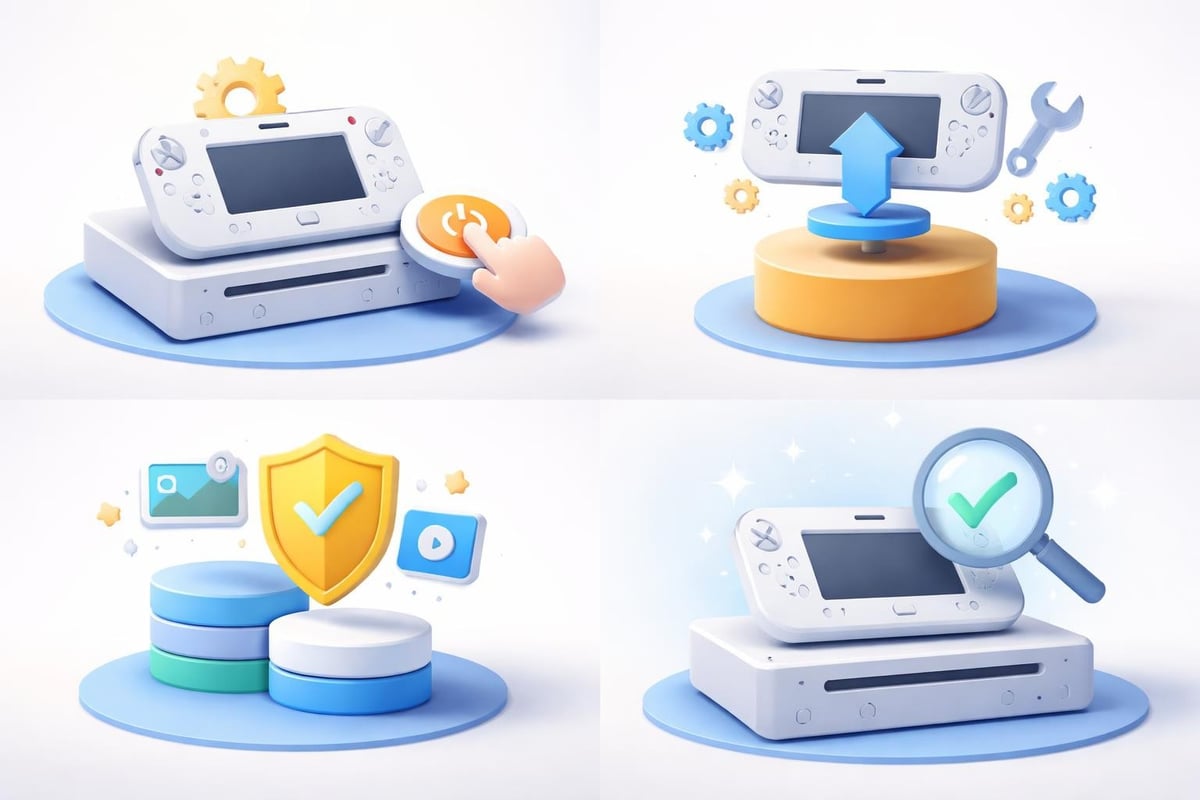
Many wii u repair scenarios require transferring or backing up user data before beginning physical repairs. Save games, digital purchases, and system settings reside on internal storage, making data preservation a priority for owners with years of gaming progress. The system's proprietary storage format complicates backup processes, though Nintendo's official repair services include data transfer options for certain repair types.
Professional repair services implement procedures to protect customer data whenever possible, though severe motherboard damage or storage chip failure may render data recovery impossible. Owners should maintain regular backups to external storage when the system remains functional, creating insurance against catastrophic failures.
Component-Level Repair Procedures
Advanced wii u repair involves replacing individual components on the main logic board rather than swapping entire assemblies. This approach requires microsoldering skills, specialized equipment, and deep knowledge of the console's architecture. Common component-level repairs include replacing failed capacitors, damaged voltage regulators, corrupted NAND flash memory chips, and broken connection points.
Microsoldering Challenges
The Wii U's compact design places components in tight configurations that challenge even experienced technicians. Ball grid array (BGA) chips require precise temperature control and specialized rework stations to remove and replace without damaging surrounding components. Multilayer PCBs hide internal traces that can separate from heat stress or physical shock, requiring careful diagnosis and sometimes creative repair solutions.
Key microsoldering repairs include:
- HDMI port replacement with new solder connections
- WiFi module replacement for connectivity restoration
- Power management IC replacement after electrical damage
- GPU and CPU reballing for graphics or processing failures
- NAND flash memory chip replacement or recovery
Thermal Management and Cooling System Service
Overheating contributes to numerous Wii U failures, particularly in systems with obstructed ventilation or degraded thermal paste. The console's cooling system relies on a single fan, heat sink, and thermal interface materials to dissipate heat from the processors. After years of operation, thermal paste dries out and loses effectiveness, while dust accumulation restricts airflow through heat sink fins.
Proper thermal maintenance involves complete disassembly to access the heat sink, thorough cleaning of all cooling surfaces, and application of fresh thermal paste. Fan replacement addresses failing bearings that create noise or reduce cooling efficiency. These preventive measures extend system lifespan and prevent heat-related component failures.
Parts Sourcing and Quality Considerations
Successful wii u repair depends heavily on obtaining quality replacement parts. The Wii U's discontinued status complicates parts sourcing, with Nintendo no longer manufacturing many original components. Repair technicians source parts from donor consoles, aftermarket manufacturers, or remaining new old stock suppliers, each option presenting different quality and compatibility considerations.
OEM Versus Aftermarket Components
Original equipment manufacturer (OEM) parts guarantee perfect compatibility but command premium prices due to scarcity. Aftermarket alternatives offer cost savings but vary dramatically in quality, with some performing identically to OEM parts while others fail prematurely or create new problems. Critical components like GamePad screens, disc drives, and power supplies merit investment in OEM or high-quality aftermarket parts, while less critical items like housing components accept broader quality tolerances.
| Component Type | OEM Availability | Aftermarket Quality | Best Choice 2026 |
|---|---|---|---|
| GamePad LCD | Very Limited | Variable | OEM from donors |
| Disc Drive Laser | Limited | Good | Quality aftermarket |
| HDMI Port | Available | Excellent | Either option |
| Power Supply | Available | Good | OEM preferred |
| Battery | None | Variable | Premium aftermarket |
Donor Console Harvesting
Many repair operations maintain inventories of donor consoles, systems too damaged for full restoration but containing salvageable components. This approach provides genuine Nintendo parts at reasonable costs, though component condition varies based on the donor system's usage history and failure mode. Reputable repair services test harvested components before installation, ensuring they meet quality standards.
GamePad-Specific Repair Challenges
The Wii U GamePad presents unique repair challenges distinct from the main console unit. Its integrated screen, battery, speakers, cameras, and wireless components create complex repair scenarios requiring different expertise than traditional console repairs. Detailed disassembly guides help technicians navigate the GamePad's layered construction without damaging fragile ribbon cables and connectors.
Screen and Digitizer Replacement
GamePad screen replacement ranks among the most requested wii u repair services. The LCD panel and digitizer form a bonded assembly that requires complete replacement as a unit. Accessing this assembly involves removing the battery, main board, and numerous small screws before carefully separating the front and rear housing halves. Ribbon cable routing during reassembly demands attention to prevent pinching or stress that causes future failures.
Aftermarket screen assemblies vary in quality, with some displaying inferior color accuracy, reduced brightness, or poor touch sensitivity compared to original Nintendo parts. Professional repair services verify screen quality before installation, rejecting substandard components that compromise user experience.
Battery Replacement and Charging Circuit Repair
GamePad battery replacement addresses the most common wear item in the controller. While physically straightforward, proper battery selection ensures safety and performance. Lithium-ion batteries require specific voltage and capacity specifications, with substandard replacements risking fire hazards or poor runtime. Quality replacement batteries provide 1500mAh capacity matching original specifications.
Charging circuit failures prevent batteries from accepting charge even when replaced. Damaged charging ICs, failed protection circuits, or broken solder joints on the charging port require component-level diagnosis and repair. These issues often result from using incorrect chargers or physical damage to the charging port from cable stress.
Preventive Maintenance and Longevity
Proactive maintenance extends Wii U lifespan and prevents many common failures. Regular cleaning removes dust from ventilation paths before it restricts airflow and causes overheating. Proper storage in climate-controlled environments protects sensitive electronics from humidity and temperature extremes that accelerate component degradation.
Essential preventive measures include:
- Monthly ventilation cleaning with compressed air
- Annual thermal paste replacement for heavy users
- Proper cable management to prevent port stress
- Surge protection to guard against electrical damage
- Firmware updates when available for stability improvements
Storage Considerations for Unused Consoles
As discussed in recent articles about Wii U degradation, certain internal components deteriorate even during storage. The CMOS battery that maintains system settings slowly discharges over years of inactivity, while electrolytic capacitors can develop leakage. Periodic power-up cycles every few months keep components exercised and identify developing problems before they become severe.
Temperature and humidity control matter significantly for long-term storage. Excessive heat accelerates component aging, while high humidity promotes corrosion of circuit board traces and connector pins. Storing consoles in sealed containers with desiccant packets provides protection against environmental damage during extended periods without use.
Professional Versus DIY Repair Decisions
Determining whether to attempt DIY wii u repair or engage professional services depends on several factors including technical skill, available tools, and repair complexity. Simple fixes like battery replacement or external cleaning suit confident DIY enthusiasts with basic tools. However, component-level repairs, HDMI port replacement, or disc drive servicing require specialized equipment and experience that justify professional service.
Risk Assessment for Self-Repair
DIY repair attempts carry inherent risks of causing additional damage that increases ultimate repair costs. Opening the console voids any remaining warranty coverage, though most Wii U systems long ago exceeded their warranty periods. Static electricity discharge can destroy sensitive components instantly, while improper reassembly may create short circuits or mechanical stress failures.
Consider professional repair when facing:
- Component-level board repairs requiring microsoldering
- Problems requiring diagnostic equipment beyond basic multimeters
- Repairs where mistakes could destroy irreplaceable components
- Situations where data preservation requires specialized procedures
- Time constraints making extended troubleshooting impractical
Cost-Benefit Analysis
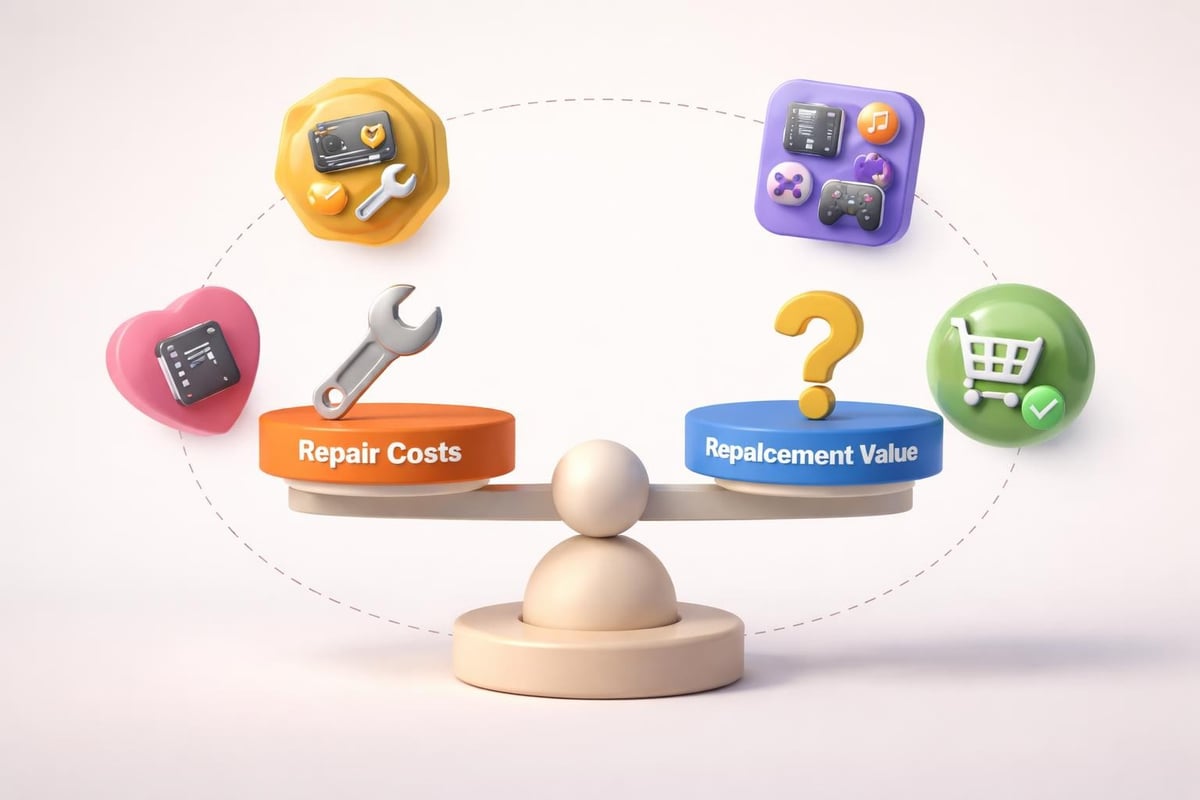
The Wii U's used market value typically ranges from $100-$200 depending on condition and included accessories. Repair costs exceeding half the replacement value merit careful consideration, though sentimental value, digital game libraries, and save data often justify repairs beyond strict economic calculations. Professional diagnostics help owners make informed decisions by identifying exact problems and associated repair costs before committing to service.
Emerging Repair Techniques and Tools
The repair community continues developing new techniques for addressing Wii U failures. Advanced diagnostic equipment like thermal cameras identifies failing components by detecting abnormal heat patterns invisible to visual inspection. Ultrasonic cleaners remove corrosion and contamination from circuit boards more effectively than traditional cleaning methods.
Advanced Recovery Methods
Recent developments in Wii U repair include boot-level exploits that recover severely damaged systems. These techniques, often developed by homebrew communities, provide options for consoles previously considered beyond repair. While requiring technical expertise and specific hardware tools, these recovery methods represent valuable options for rare or valuable systems worth extraordinary recovery efforts.
3D printing technology enables fabrication of replacement housing parts, stand components, and minor mechanical pieces no longer available through traditional channels. Custom-printed parts help restore cosmetic damage and replace broken plastic components that don't affect functionality but improve user experience and system value.
Long-Term Outlook for Wii U Repair Services
The Wii U repair market faces evolving challenges as consoles age and parts availability continues declining. Systems manufactured in 2012-2013 now exceed 13 years old, entering the phase where multiple components approach end-of-life simultaneously. This creates situations where addressing one failure reveals additional problems requiring comprehensive restoration rather than simple repairs.
Collector interest in the Wii U's exclusive game library ensures ongoing demand for repair services despite the system's commercial failure. Titles never ported to Nintendo Switch maintain value and desirability, motivating owners to maintain functional hardware. Professional repair services adapting to parts scarcity through creative sourcing and advanced repair techniques will continue serving this niche market.
The repair community's knowledge sharing through online forums, video tutorials, and collaborative problem-solving helps standardize best practices and develop solutions for previously unsolvable problems. This collective expertise ensures that wii u repair remains viable even as official manufacturer support and parts availability diminish over time.
Understanding the common issues affecting Wii U consoles and available repair solutions empowers owners to maintain these unique gaming systems for years to come. Whether dealing with power failures, disc drive problems, or GamePad issues, professional diagnosis and quality repairs restore functionality and preserve valuable game libraries. Video Game 911 brings nearly three decades of console repair expertise to every Wii U service, combining advanced diagnostic capabilities with proven repair techniques to deliver reliable results with free diagnostics and return shipping on completed repairs.